

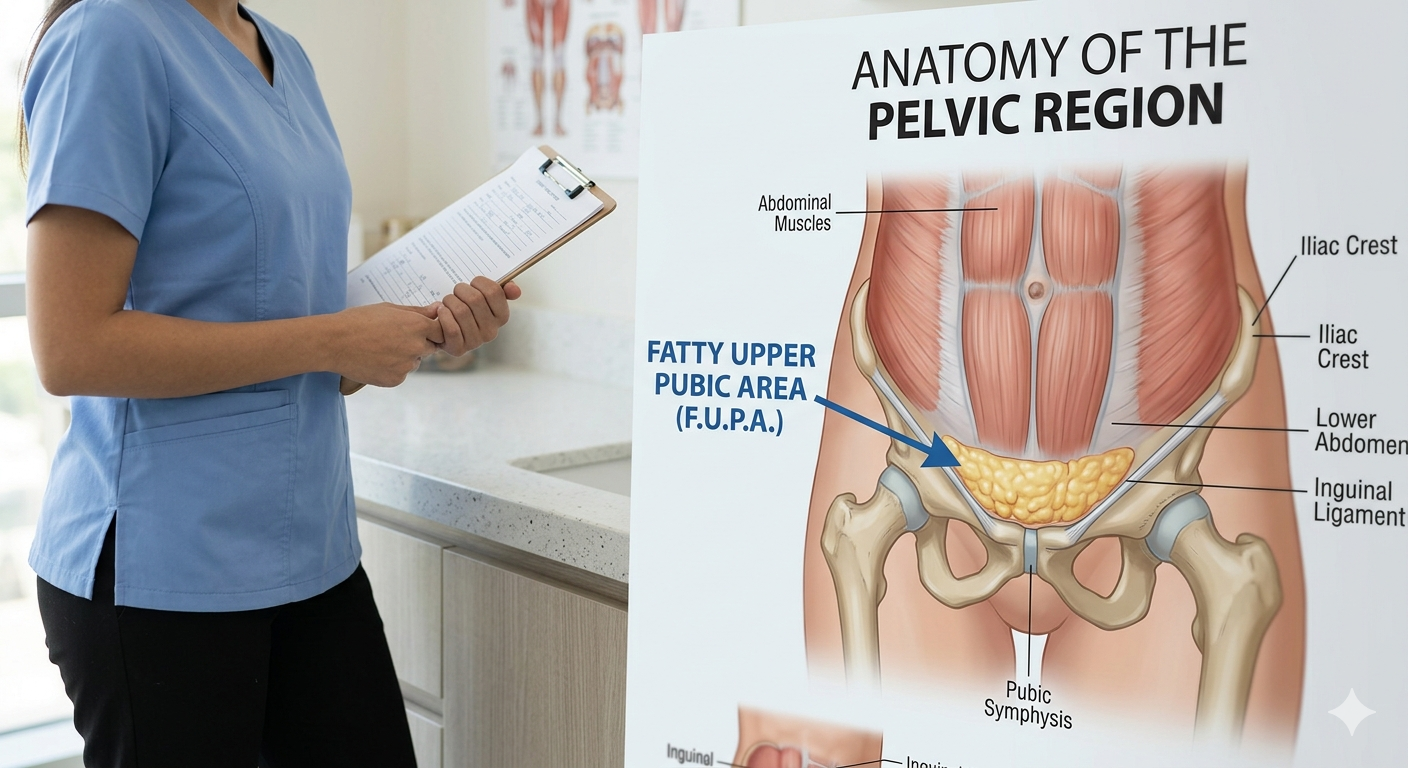
Are you struggling with FUPA? You’re not alone. This common issue, often referred to as the “fat upper pubic area,” affects many people and can be a source of frustration. Whether it’s due to weight gain, hormonal changes, or simply genetics, understanding FUPA is the first step towards feeling more confident in your body. In this guide, we’ll explore effective strategies for reducing FUPA through diet, exercise, and surgical options while also addressing emotional well-being along the way. Let’s embark on this journey together!
I. Understanding FUPA
FUPA, or fat upper pubic area, refers to the excess fat that can accumulate above the pubic bone. This area may protrude due to various factors like weight gain or hormonal shifts. It’s more than just a cosmetic concern for many people.
Understanding FUPA is crucial in addressing it effectively. It’s important to remember that FUPA doesn’t define your worth or beauty; it’s simply part of human anatomy and experience.
II. Common Causes of FUPA
FUPA, or fat upper pubic area, can be caused by various factors. Hormonal changes, pregnancy, and weight fluctuations often contribute to its development. Genetics also plays a role in how body fat is distributed.
Additionally, lifestyle choices like poor diet and lack of exercise significantly impact FUPA accumulation. Stress may cause hormonal imbalances that lead to increased fat storage in this area as well. Understanding these causes is essential for effective management strategies.
III. The Myth of Spot Reduction
Many people believe they can target fat loss in specific areas, like the FUPA, through isolated exercises. Unfortunately, this idea is a common misconception. The body loses weight as a whole rather than from one particular spot.
Focusing solely on crunches or leg lifts won’t eliminate that stubborn belly fat. A balanced approach combining diet and overall exercise is essential for effective fat reduction throughout the body.
IV. Non-Surgical Solutions for Reducing FUPA
Diet plays a crucial role in reducing FUPA. Focus on whole foods, lean proteins, and plenty of fruits and vegetables. Limit processed sugars and carbs to promote fat loss.
Incorporating regular exercise can also help tone the abdominal area. Cardiovascular activities like running or cycling combined with strength training exercises targeting the core can lead to significant improvements over time. Consistency is key for achieving desired results without surgery.
V. Surgical Solutions for FUPA
Surgical options for reducing FUPA include procedures like liposuction and abdominoplasty. Liposuction targets excess fat, while an abdominoplasty, or tummy tuck, removes both fat and skin.
These surgeries can provide significant results for those struggling with stubborn areas that diet and exercise won’t address. It’s essential to consult a qualified surgeon to explore which option best suits your needs and health status before making any decisions.
VI. Recovery and Aftercare
After any surgical procedure to reduce FUPA, recovery is crucial. Follow your surgeon’s post-operative instructions closely. This may include wearing compression garments to support healing and minimize swelling.
Rest is equally important. Allow your body time to heal before resuming strenuous activities or workouts. Keep an eye on any unusual symptoms and schedule follow-up appointments as directed. Proper aftercare not only ensures a smoother recovery but also promotes the best possible results long-term.
VII. Emotional and Physical Benefits
Reducing FUPA can lead to significant emotional benefits. Many individuals experience increased self-esteem and body confidence after addressing this area. Feeling comfortable in your skin boosts overall mental health, making daily interactions more positive.
Physically, shedding excess weight around the abdomen improves mobility and energy levels. It can enhance digestion and reduce discomfort during physical activities. Embracing a healthier lifestyle often leads to newfound vitality and enthusiasm for life’s adventures.
VIII. Choosing the Right Surgeon
Selecting the right surgeon is crucial for your journey to reduce FUPA effectively. Look for someone with experience specifically in body contouring procedures. Check their credentials, read patient reviews, and ask about previous results.
Communication is key—ensure you feel comfortable discussing your goals and concerns. A good surgeon will provide clear explanations of the procedure and realistic expectations while prioritizing your health and safety throughout the process.
What does FUPA look like
FUPA, or fat upper pubic area, typically appears as a soft bulge above the pubic bone. It can vary in size and shape, often resembling a pouch that may become more noticeable when wearing tight clothing.
This condition affects both men and women of all body types. Many find it challenging to manage due to genetics, weight fluctuations, or hormonal changes. Understanding its appearance is the first step toward addressing concerns related to FUPA.
Core Anatomy & Medical Identifiers
The FUPA, or fat upper pubic area, is often a concern for many individuals. It typically presents as excess skin and fat above the pubic region. Understanding your core anatomy helps in identifying this condition, which can vary from person to person.
Anatomically, it’s associated with the lower abdominal wall and pelvic floor muscles. These structures play crucial roles in supporting overall body function and maintaining stability during movement.
Common Causes
FUPA, or fat upper pubic area, can result from various factors. Weight gain is a significant contributor, often linked to lifestyle choices and hormonal changes. Pregnancy also plays a role, as it stretches skin and muscles in that region.
Genetics can influence where your body stores fat. Aging decreases skin elasticity, making FUPA more pronounced over time. Stress may lead to weight gain around the abdomen due to cortisol levels rising.
Advanced & Surgical Treatment Options
For those seeking more immediate results, advanced surgical options are available. Liposuction is a popular choice, effectively removing excess fat in the FUPA area. This procedure can create a flatter abdominal appearance and enhance body contours.
Another option is abdominoplasty, commonly known as a tummy tuck. This surgery removes both fat and loose skin while tightening abdominal muscles for lasting results. Each option has its benefits; consulting with a qualified surgeon is essential to determine the best approach for you.
How to get rid of FUPA
To get rid of FUPA, focus on combining a balanced diet and regular exercise. Start by incorporating whole foods like fruits, vegetables, lean proteins, and whole grains into your meals while reducing processed foods and sugars.
Engage in exercises that target the core muscles, such as planks and leg raises. Cardiovascular activities like running or cycling can also help burn overall body fat, making it easier to lose that stubborn area.
FUPA exercises
FUPA exercises target the lower abdominal area to help tone and strengthen muscles. Simple moves like leg raises, planks, and bicycle crunches can be effective. Aim for consistency to see results over time.
Incorporating cardio into your routine is essential as well. Activities such as running, cycling, or swimming aid in overall fat loss. Combining these exercises will lead you closer to achieving a flatter stomach while supporting your fitness journey.
What is a FUPA on a woman
A FUPA, or Fat Upper Pubic Area, refers to the excess fat that accumulates above the pubic region in women. This area can be a source of concern for many, particularly after weight loss or pregnancy.
FUPAs are completely normal and common across various body types. While often discussed lightheartedly online, it’s important to recognize that each woman’s body is unique and deserving of acceptance regardless of its shape.
Fupa cat
The term “FUPA cat” emerged as a playful and relatable way to describe those adorable felines with round bellies. Just like the human FUPA, these cats often have extra fluff that adds to their charm.
These chubby kitties strut around confidently, reminding us that body positivity is not just for humans. Their cute little tummies celebrate comfort over societal standards, making them a beloved motif in online communities.
Is FUPA normal
Many people experience FUPA, and it’s more common than one might think. This area of stubborn fat can develop for various reasons, including weight fluctuations, hormonal changes, or genetics.
It’s essential to understand that having a FUPA is entirely normal. It doesn’t define your worth or attractiveness. Embracing your body as it is can be empowering and liberating in today’s beauty standards-focused society.
FUPA belly
FUPA belly, or fat upper pubic area, refers to the extra layer of fat that can sit above the pubic bone. It’s often noticeable in women after pregnancy or significant weight loss. This area may be sensitive and is sometimes a source of self-consciousness.
Understanding FUPA belly is essential for those looking to make lifestyle changes. Knowing what it entails helps in seeking effective solutions through diet and exercise tailored specifically for this region.
FUPA women
FUPA, or fat upper pubic area, is a common concern for many women. It can occur after pregnancy, weight fluctuations, or simply as part of the natural aging process. Understanding that it’s normal can help reduce stigma and boost confidence.
Women experiencing FUPA often seek ways to manage it through diet and exercise. Embracing body positivity while working towards personal goals is essential for emotional well-being and self-acceptance in this journey.
IX. Conclusion: Your Next Step
Taking action is the first step toward tackling FUPA. Whether you choose lifestyle changes, targeted exercises, or a surgical approach, it’s essential to find what works for you. Don’t hesitate to consult with healthcare professionals for personalized advice.
Remember that progress takes time and patience. Celebrate small victories along the way as you work towards your goals. Your journey toward feeling more confident starts now—embrace it with enthusiasm!
FUPA FAQs
Understanding FUPA can help you make informed choices about your body. Many people have questions about this common condition, and addressing them is essential for empowerment.
What does FUPA look like? Typically, it appears as a fatty pouch above the pubic area, often more prominent in women due to hormonal changes or weight gain.
Is FUPA normal? Yes, it’s completely normal! It’s a natural part of many people’s bodies and can occur regardless of size.
How to get rid of FUPA involves diet and exercise tailored to strengthen core muscles while promoting overall fat loss. A mix of cardio and strength training is key.
FUPA exercises include planks, leg raises, and targeted ab workouts that engage the lower abdominal region effectively.
For those considering surgical options, advanced treatments exist but should be approached with care. Always consult a certified surgeon experienced in body contouring techniques.
Feeling comfortable in your skin takes time! Remember that emotional benefits accompany physical changes—embracing yourself boosts confidence too.
If you’re looking into surgery or other remedies for your FUPA concerns, take time to research surgeons thoroughly before making any decisions.
Your journey toward understanding—and potentially reducing—your FUPA starts today!