
Introduction
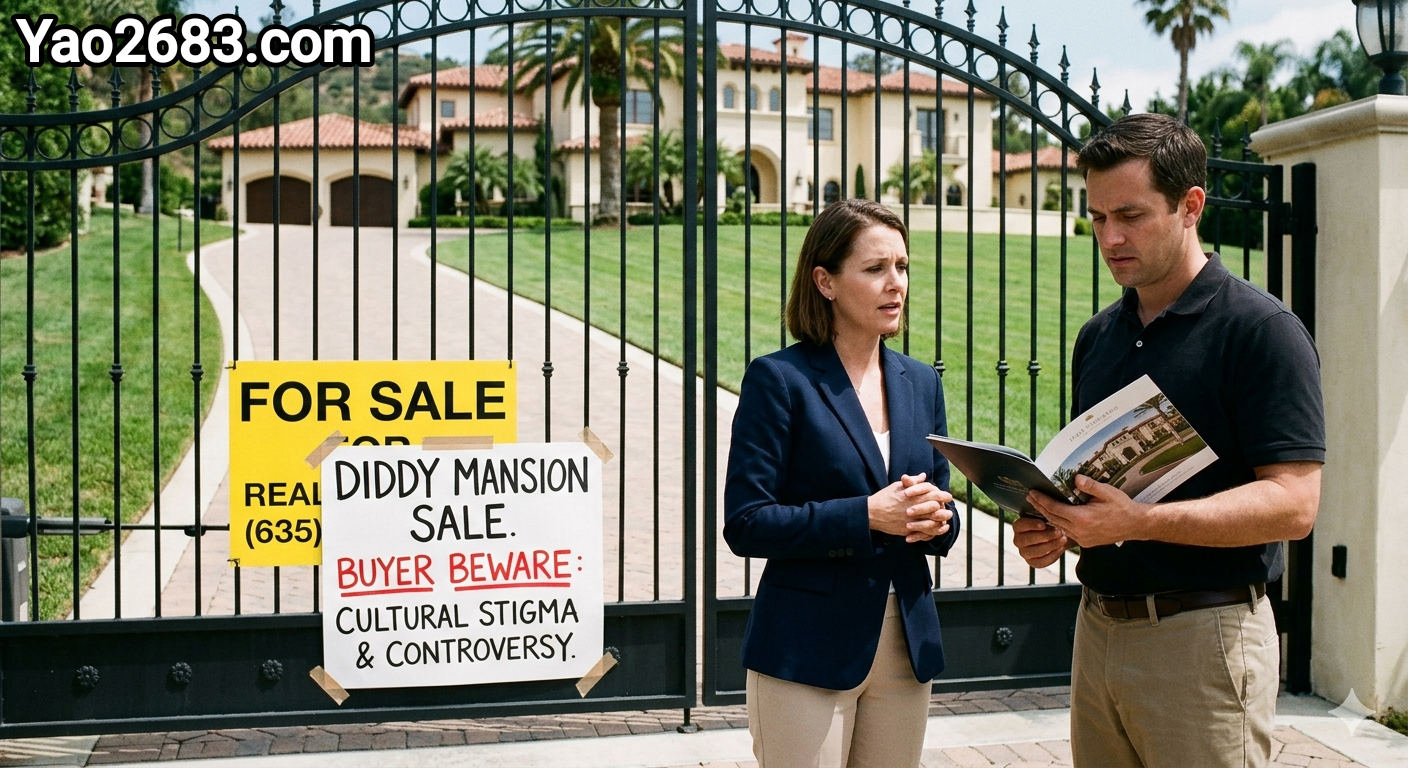
The luxury real estate market is a fascinating realm, filled with glamorous properties and high-profile transactions. Yet, it can also be riddled with stigma, especially when the property in question has connections to celebrity scandals or controversies. The recent sale of Sean “Diddy” Combs’ lavish mansion in Los Angeles serves as a prime example of this phenomenon. Despite its grandeur and prime location, lingering perceptions about the property’s past have made potential buyers wary. Join us as we unpack the Diddy mansion sale stigma and explore how reputation impacts even the most opulent homes in today’s market.
The Diddy Mansion Sale Stigma
The sale of the Diddy mansion has left a lingering stigma in luxury real estate. High-profile homes often carry an aura of celebrity, but they can also inherit controversy. The mansion, once a symbol of opulence and success, became tainted by its previous owner’s public persona.
Potential buyers may hesitate due to past events associated with the property or negative media attention. This stigma complicates sales, as some people prefer to steer clear of homes burdened by their owners’ reputations or scandals. It’s a fascinating intersection between celebrity culture and real estate dynamics.
Lessons from the Diddy Mansion Sale Stigma
The Diddy mansion sale stigma highlights the importance of reputation in real estate transactions. Properties linked to controversial figures can struggle to shake off negative perceptions, impacting their market value significantly. Buyers often hesitate when faced with potential backlash.
Additionally, this case underscores the necessity for thorough due diligence before investing in high-profile properties. Understanding a property’s history and public perception is crucial. Investors should evaluate not just financial aspects but also how celebrity associations might influence future resale opportunities or rental prospects.
Can a Stigmatized Property Recover?
Stigmatized properties can indeed recover, but the process often requires time and strategic marketing. Buyers may initially shy away due to negative perceptions tied to a property’s history. However, with effective repositioning and transparency about past issues, it’s possible to change that narrative.
Real estate agents play a vital role in this transformation. They can highlight positive features while addressing any concerns head-on. As market conditions shift or as the stigma fades from public memory, these properties may regain attractiveness and value over time.
Understanding Stigmatized Properties in Real Estate
Stigmatized properties are those that carry a negative reputation due to events or circumstances associated with them. These can include anything from previous crimes to notable deaths. Buyers may hesitate, fearing the emotional baggage attached.
The stigma often persists despite renovations or new ownership. It creates an invisible barrier in real estate transactions. Understanding this concept is crucial for both buyers and sellers navigating any market, especially luxury homes where perception plays a significant role in value and desirability.
Celebrity Homes and Reputation Risk
Celebrity homes often carry a unique charm, but they also bear the weight of their owners’ reputations. High-profile figures can attract both admiration and scrutiny, impacting how properties are perceived in the market. A scandal or controversy can quickly transform a luxurious estate into a stigmatized listing.
Potential buyers may hesitate due to concerns about past events or negative associations linked to celebrity ownership. This reputation risk complicates transactions and may result in price reductions, leaving sellers grappling with the lingering effects long after the drama fades from headlines.
Frequently Asked Questions
When it comes to the Diddy mansion sale stigma, many questions arise. Buyers often wonder what makes a property stigmatized and how that affects its value. The lingering reputation can deter potential buyers, making them cautious.
Some may ask if there are specific legal disclosures for such properties. Typically, sellers must disclose any material facts impacting desirability or market price. However, nuances can vary by state law. Understanding these elements is crucial for both buyers and sellers navigating the complexities of luxury real estate transactions related to stigma.
Final Thoughts
The Diddy mansion sale stigma illustrates the complex interplay between celebrity status and property value. When a home is associated with high-profile individuals, it carries both allure and risk. While some buyers may be drawn to the fame, others might shy away due to past controversies or negative perceptions.
Stigmatized properties can bounce back with time and the right marketing strategies. Understanding consumer psychology plays a crucial role in this recovery process. Luxury real estate often faces unique challenges that require sensitive handling of reputational issues.
As we look at future celebrity sales, one thing remains clear: reputation matters. The narrative surrounding a property can significantly influence its market perception and desirability. Observers will continue to watch how these dynamics unfold in luxury real estate markets moving forward.