
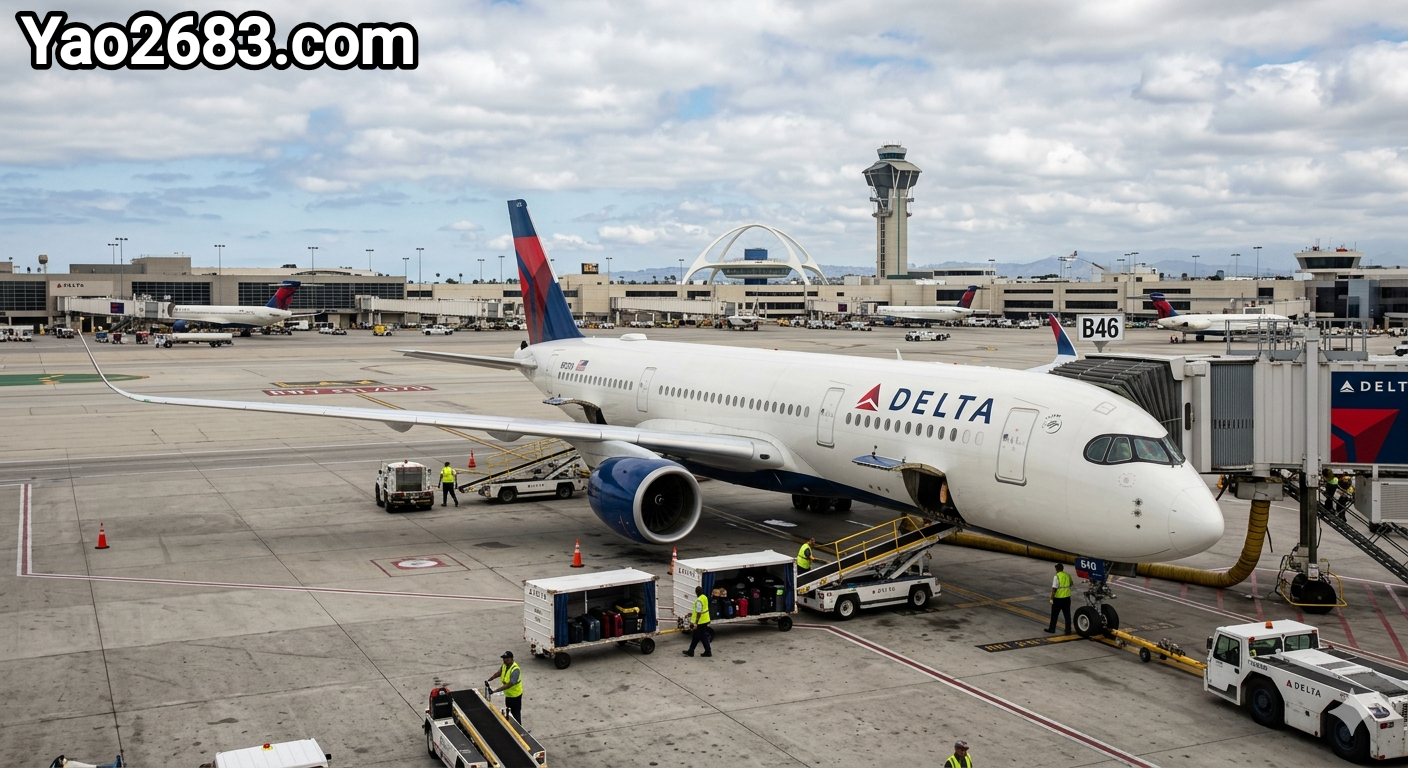
In the world of aviation, unexpected events can turn a routine journey into an unforgettable experience. Delta Flight DL275 recently captured headlines when it was diverted to Los Angeles International Airport (LAX). Passengers on board found themselves navigating more than just the skies—they faced uncertainty and curiosity about what caused this sudden change in their flight path. Join us as we delve into the circumstances behind this diversion, exploring everything from technical details to passenger experiences along the way.
h1: Understanding the Circumstances Behind the Diversion of Delta Flight DL275
The diversion of Delta Flight DL275 sparked intrigue and concern among passengers and aviation enthusiasts alike. This event serves as a reminder of the complexities involved in air travel. Factors like technical issues, weather conditions, or safety protocols can dramatically alter a flight’s course, highlighting the dynamic nature of modern aviation operations.
h2: Overview of Delta Flight DL275
Delta Flight DL275 is a transcontinental service connecting New York’s JFK to Los Angeles International Airport. Known for its comfortable seating and onboard amenities, it typically flies over 2,400 miles. This route is popular among both business travelers and tourists seeking the sunny Californian coast or bustling city life in New York.
h2: What Happened During the Flight
Delta Flight DL275 took off smoothly but encountered unexpected weather conditions. Soon after departure, the crew noted a potential technical issue. Passengers felt an unusual vibration and were informed of necessary precautions. The atmosphere in the cabin shifted as everyone braced for updates from the flight attendants about what was happening on board.
h2: Reasons Behind the Diversion to LAX
The diversion of Delta Flight DL275 to LAX was primarily due to technical issues that arose during the flight. Concerns regarding engine performance and safety protocols prompted the flight crew to make the decision. Ensuring passenger safety always takes precedence in aviation, leading them to opt for a nearby airport over continuing their route.
h2: Passenger Experience During the Diversion
Passengers on Delta Flight DL275 faced an unexpected turn of events during the diversion. Mixed emotions filled the cabin as they navigated uncertainty. Many sought reassurances from crew members, while others shared stories or even captured moments on their devices. The atmosphere was a blend of curiosity and concern as they approached LAX.
h2: How Flight Diversions are Managed in Aviation
Flight diversions are carefully managed by airline crews and air traffic control. When a diversion is necessary, pilots communicate with ground teams to assess alternate airports. Safety remains the priority, and decisions consider weather conditions, fuel levels, and passenger needs. Coordination ensures smooth landings while minimizing disruptions for everyone involved in the flight.
h2: Post-Landing Procedures and Maintenance Checks
After Delta Flight DL275 diverted to LAX, the aircraft underwent thorough post-landing procedures. Ground crews conducted immediate maintenance checks to ensure safety. Engineers inspected systems affected during the flight, focusing on any potential technical issues that could have contributed to the decision to divert. Passenger safety remained a top priority throughout this process.
h2: Impact on Airline Operations
The diversion of Delta Flight DL275 to LAX highlights the complexities of airline operations. Such incidents can disrupt schedules, strain resources, and necessitate quick adjustments in crew assignments. Airlines must manage these unexpected events efficiently to minimize impact on passengers and maintain overall service quality across their network.
h2: Key Factors in Decision-Making Process
Several key factors influence the decision-making process during a flight diversion. Safety remains paramount, with pilots assessing weather conditions and aircraft performance. Communication with air traffic control is vital, providing real-time updates. Additionally, passenger well-being and logistical considerations weigh heavily on decisions to ensure minimal disruption while prioritizing safety above all else.
h2: Passenger Support and Facilities
Passengers affected by the diversion of Delta Flight DL275 received immediate assistance upon arrival at LAX. The airline provided accommodations, meals, and support staff to address concerns. Communication was prioritized to keep travelers informed about their options. Facilities like lounges offered comfort while rebooking arrangements were made for onward journeys.
h3: Aircraft and Route Details
Delta Flight DL275 was operating a transcontinental route from New York’s JFK Airport to Los Angeles International Airport (LAX). The aircraft involved, an Airbus A321, is known for its efficiency and comfort. With a cruising altitude planned at 35,000 feet, the flight was expected to cover over 2,500 miles across diverse weather conditions.
h3: Technical Issues and Decision to Divert
During the flight, crew members detected a technical issue that raised safety concerns. The aircraft’s systems alerted them to potential engine performance problems. Prioritizing passenger safety, the pilots communicated with air traffic control and decided on an immediate diversion to LAX for further assessment and maintenance checks.
h3: Importance of Engine Anti-Ice System
The engine anti-ice system is crucial for safe flight operations, especially in colder climates. It prevents ice buildup on engine components, ensuring optimal performance and efficiency. When temperatures drop, maintaining airflow becomes vital to avoid potential failures. This system plays a significant role in preventing diversions like Delta Flight DL275’s unexpected landing at LAX.
h3: Communication with Passengers
Clear communication is vital during diversions. Delta kept passengers informed about the situation, providing updates through announcements and in-flight displays. Crew members addressed concerns, ensuring everyone felt supported amid uncertainty. This transparency helped ease anxiety and fostered trust between travelers and airline staff during an unexpected event like the diversion to LAX.
h3: Air Traffic Control’s Role
Air Traffic Control plays a crucial role during flight diversions. They coordinate with pilots, ensuring safe navigation and communication. ATC assesses weather conditions and traffic at alternate airports like LAX. Their expertise provides real-time guidance, helping airlines make informed decisions swiftly while prioritizing passenger safety throughout the unexpected situation.
h3: Reasons for Flight Diversions
Flight diversions occur for various reasons, including adverse weather conditions, technical malfunctions, or medical emergencies. Safety is always the top priority. Sometimes air traffic control may direct flights to alternate airports due to busy airspace or runway closures. Other factors can include fuel management and passenger needs during unexpected situations.
h3: Passenger Assistance and Rebooking
Delta Airlines prioritized passenger care during the diversion. Upon landing, staff promptly assisted travelers with immediate needs, offering food and comfort. Rebooking options were quickly made available, ensuring that those affected could secure new flights efficiently. Communication was clear throughout the process, helping to alleviate stress and uncertainty for everyone involved.
h3: Overall Reflections and Comments
The diversion of Delta Flight DL275 to LAX serves as a reminder of the complexities involved in air travel. Passengers faced unexpected challenges, yet the situation was managed effectively by airline and airport staff. Such incidents highlight the importance of safety protocols and communication during flights.
As travel continues to evolve, understanding these occurrences can enhance passenger awareness and preparedness. The experience may have been stressful for those aboard, but it also underscores how airlines prioritize safety above all else. Each event like this offers lessons that contribute to improved practices in aviation.
Staying informed about potential flight diversions ensures travelers are better equipped for their journeys ahead.