
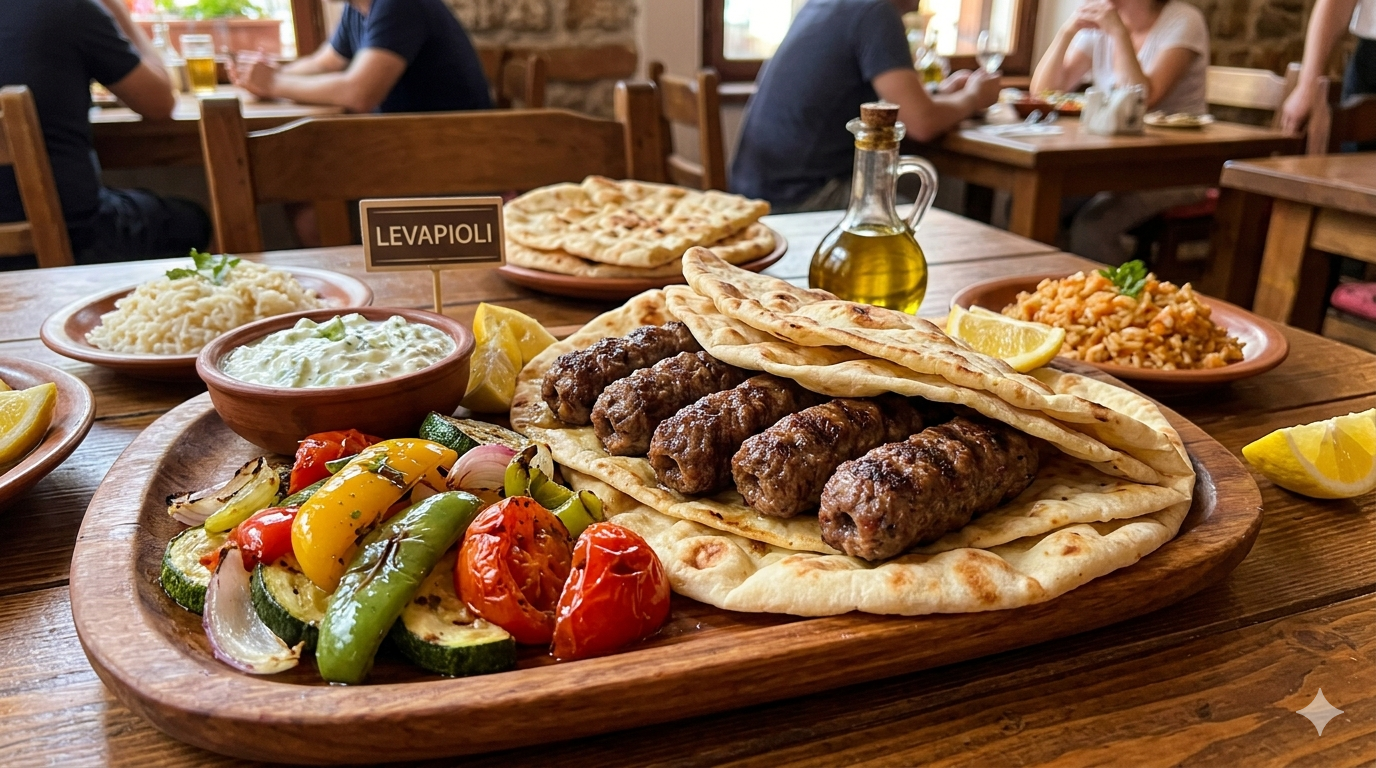
Levapioli, a dish steeped in tradition and bursting with flavor, invites food lovers on an unforgettable culinary adventure. Originating from Italy, this delectable creation showcases the rich heritage of regional cuisine. Each bite tells a story—a blend of ingredients, cooking techniques, and cultural influences that have evolved over generations. Join us as we explore the fascinating world of levapioli and uncover what makes this dish so special across different regions and cultures. Get ready to tantalize your taste buds!
Exploring Levapioli: A Culinary Journey Through Flavor and Tradition
Levapioli represents more than just a meal; it embodies the heart of Italian culinary heritage. The dish showcases regional ingredients and time-honored cooking methods, connecting past generations with contemporary palates.
From its rich flavors to its vibrant presentation, levapioli captivates food enthusiasts everywhere. Each region in Italy offers a unique twist, reflecting local traditions and tastes. This journey through levapioli reveals the essence of community bonding over shared meals and cherished recipes.
Traditional Levapioli Recipe and Cooking Methods
Levapioli is a delightful dish rooted in traditional Italian cuisine. Typically made with ground meat, it incorporates herbs and spices that elevate its flavor profile. The mix of seasonings can vary widely but often includes garlic, parsley, and black pepper.
Cooking methods range from grilling to pan-frying, allowing for diverse textures and tastes. Many chefs recommend using an open flame to achieve that smoky char while keeping the inside juicy and tender.
Key Ingredients Used in Levapioli
Levapioli begins with high-quality meat, typically a blend of pork and beef. This combination ensures rich flavor and tenderness in every bite. Spices like garlic, paprika, and black pepper enhance the taste profile.
Fresh herbs such as parsley or cilantro add brightness to the dish. A generous sprinkle of salt is crucial for bringing all these elements together. Each ingredient plays a significant role in crafting this beloved Italian delight.
How Levapioli Is Made
Making levapioli begins with preparing the dough. Flour, water, salt, and yeast are combined to create a smooth mixture. This is kneaded until elastic and allowed to rise until double in size.
Once the dough has risen, it’s shaped into small rounds or balls. These pieces are then filled with various ingredients before being cooked. The traditional method often involves grilling or baking, allowing for a delightful blend of flavors and textures that makes levapioli irresistible.
Regional Variations in Italy
Italy’s culinary landscape is rich with diverse regional variations of levapioli. In the north, you’ll find heartier versions often featuring robust spices and wild game meats. Each area boasts its unique flair, shaped by local traditions.
Traveling south, levapioli transforms into a lighter dish with Mediterranean influences. Here, seafood and fresh herbs take center stage, creating vibrant flavors that reflect the region’s coastal heritage. Each bite tells a story of tradition and place in Italy’s gastronomic tapestry.
Northern Italy
Northern Italy offers a unique twist on levapioli, where rich flavors take center stage. Here, you’ll often find the use of game meats such as venison or wild boar, adding depth and character to each bite.
The region is also known for incorporating local herbs like rosemary and sage. These aromatic additions elevate the dish, making it a true reflection of Northern Italian culinary artistry. Every plate tells a story rooted in tradition and passion.
Central Italy
Central Italy is renowned for its rich culinary heritage, and levapioli holds a special place in this region. The flavors are often bold, with fresh herbs like rosemary and thyme enhancing the dish’s profile.
In towns such as Rome and Florence, local chefs put their spin on levapioli. They embrace seasonal ingredients from nearby farms, making each bite a reflection of the vibrant Italian landscape and culture.
Southern Italy
Southern Italy offers a vibrant take on levapioli, infused with bold flavors and local ingredients. Here, the use of fresh herbs like basil and oregano elevates the dish, reflecting the region’s rich culinary heritage.
Seafood often makes its way into these variations, showcasing Southern Italy’s coastal bounty. The combination of sun-drenched tomatoes and zesty citrus adds a delightful twist that sets this version apart from others across the country.
Global Adaptations of Levapioli
Levapioli has traveled far beyond its Italian roots, inspiring many adaptations worldwide. In the United States, food enthusiasts have embraced it with open arms, adding unique spices and toppings to create a distinct twist on this traditional dish.
Internationally, countries like Brazil and Australia have incorporated local ingredients into their versions of levapioli. These creative takes highlight how culinary traditions evolve while still paying homage to original flavors and techniques.
Levapioli in the United States
Levapioli has found a welcoming home in the United States, where diverse culinary traditions flourish. Chefs and home cooks alike have embraced this dish, adapting it to local tastes while respecting its roots.
In cities with vibrant Italian communities, you can find restaurants offering their own takes on levapioli. From food trucks to fine dining establishments, this delightful dish continues to evolve, reflecting the melting pot of flavors that defines American cuisine.
Popular Twists on the Classic Dish in Other Countries
Around the world, Levapioli has inspired a variety of innovative twists. In places like Brazil, you might find it paired with tropical fruits or spicy sauces, adding an exciting flair to traditional recipes.
In Australia, chefs often incorporate local ingredients such as kangaroo meat or bush spices, creating unique flavors that reflect their surroundings. These adaptations showcase how Levapioli can evolve while still honoring its rich heritage and diverse culinary roots.
Unique Ingredients Used in Different Versions of Levapioli
Levapioli showcases a delightful range of unique ingredients, varying by region. Some versions incorporate local herbs like oregano or basil, infusing the dish with aromatic flavors. Others may include fresh vegetables such as roasted peppers or zucchini for added texture.
Cheese is another popular addition; different types elevate the taste profile significantly. From creamy ricotta to aged Parmigiano-Reggiano, these ingredients create diverse interpretations that celebrate regional tastes while maintaining the essence of levapioli.
Cultural Influences Shaping the Taste and Preparation of Levapioli
Levapioli, with its rich flavors, reflects Italy’s diverse cultural tapestry. Influences from Mediterranean spices and herbs enhance its taste, making each bite a celebration of tradition.
As communities adapted the dish over time, local ingredients became integral to recipes. This fusion showcases regional identities while preserving the essence of Levapioli. Each variation tells a story that connects people through shared culinary experiences across generations.
Celebrating Diversity in Food through Levapioli Variations
Levapioli exemplifies how food can bridge cultures and traditions. Each variation tells a story, reflecting local ingredients and culinary practices. From Northern Italy to the far reaches of the globe, these adaptations showcase creativity while honoring tradition.
As people experiment with flavors, Levapioli continues to evolve. It invites everyone to celebrate diversity through its many interpretations. The joy of sharing a plate of Levapioli unites us all in our love for good food and rich heritage. Embracing these variations enriches our culinary landscape and fosters appreciation for global cuisine.